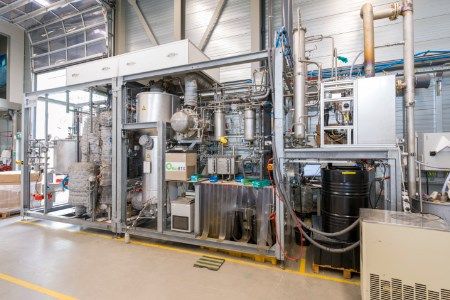
Plastic can be recycled mechanically up to 6 - 7 times. At this point, the building blocks in the plastic are so damaged that they need to be incinerated or deposited in landfill. However, through pyrolysis WPU can now convert obsolete plastic into new products – and thereby bring new life to waste plastic. The transformation from waste to sustainable energy is based on a technology called pyrolysis that processes the plastic at high temperatures. The plastic oils can be used in the production of new plastic products or as recycled carbon fuels.
Chris Bake, head of origination, Vitol said: “Each year over 17 million t of waste plastic is generated in the EU, recycling plastics locally minimises transport emissions and supports European chemicals businesses. We intend to be an integral part of Europe’s circular economy and are delighted to be taking this important step with WPU.”
Niels Stielund, Chairman of the Board at WPU said: “The strategic partnership with Vitol enables WPU to continue a strong future production line. We could not have wished for a better partnership. Vitol, with its deep knowledge of the global energy markets and sustainable fuels, is in a perfect position to support us in our further development and expansion.”