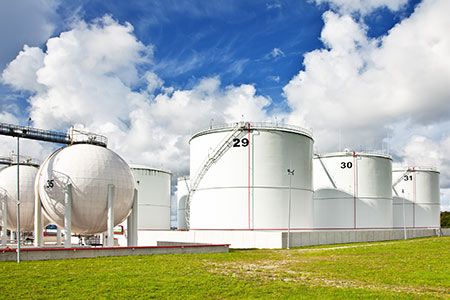
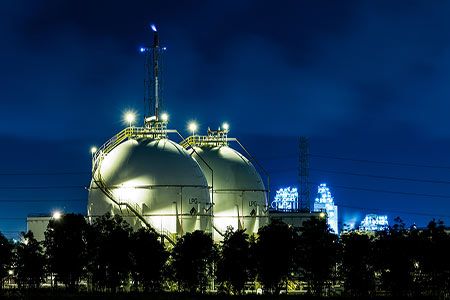
John Lawrence, President of CyberFuels, Inc., stated: "Climate change and cleaner air is what everyone is talking about today. The EV discussions are nice, but they have their own inherent environmental issues. Maybe the problem is not the internal combustion engine, but rather what fuel is being burned in today's engine. That is where CyberFuels comes in. We currently have fuels that are advantageous to the environment, and we are extremely excited to have this green hydrogen technology housed in our new green terminal looking forward to the next generation." The purchase of the new Cyberfuels Gateway Terminal is expected to close in August 2022, and permitting will begin immediately thereafter, with construction to follow.
Green hydrogen is important to the growth and vision of CyberFuels' plans of providing sustainable zero GHG emissions e-fuels. An added feature of the new patented process for the production of hydrogen is that it uses municipal solid waste and a process similar to fast pyrolysis which produces green hydrogen at a substantially lower cost than traditional methods of production. Today, 96% of hydrogen comes from steam methane reformation, and 4% from electrolysis. Both methods are very expensive. Having the hydrogen hub at the CyberFuels Terminal will allow the company to have back-up hydrogen power for the terminal's energy needs, which will also include utilising solar power as a power source. As part of the relationship, hydrogen will be sold at a very attractive price to be used as fuel. Green hydrogen is also an important component of green methanol, which is an important component of our e-fuels solution for combustion engines of today. Mr. Lawrence further added: "CyberFuels has been developing its green e-fuels for 8 years, and the proprietary additive makes green methanol e-fuels not only an important tool in the effort to decarbonise transportation, but also a timely alternative to help reduce fuel prices while at the same time helping to improve the environment."
CyberFuels' green methanol will be focused on individual transportation modalities. Green hydrogen is focused on heavy transportation such as buses, transport trucks, trains, ships and planes.